Why Does Toenail Fungus Keep Coming Back No Matter What You Try?
Thousands of people are getting rid of toenail fungus with a simple remedy you can make at home in just 15 seconds.
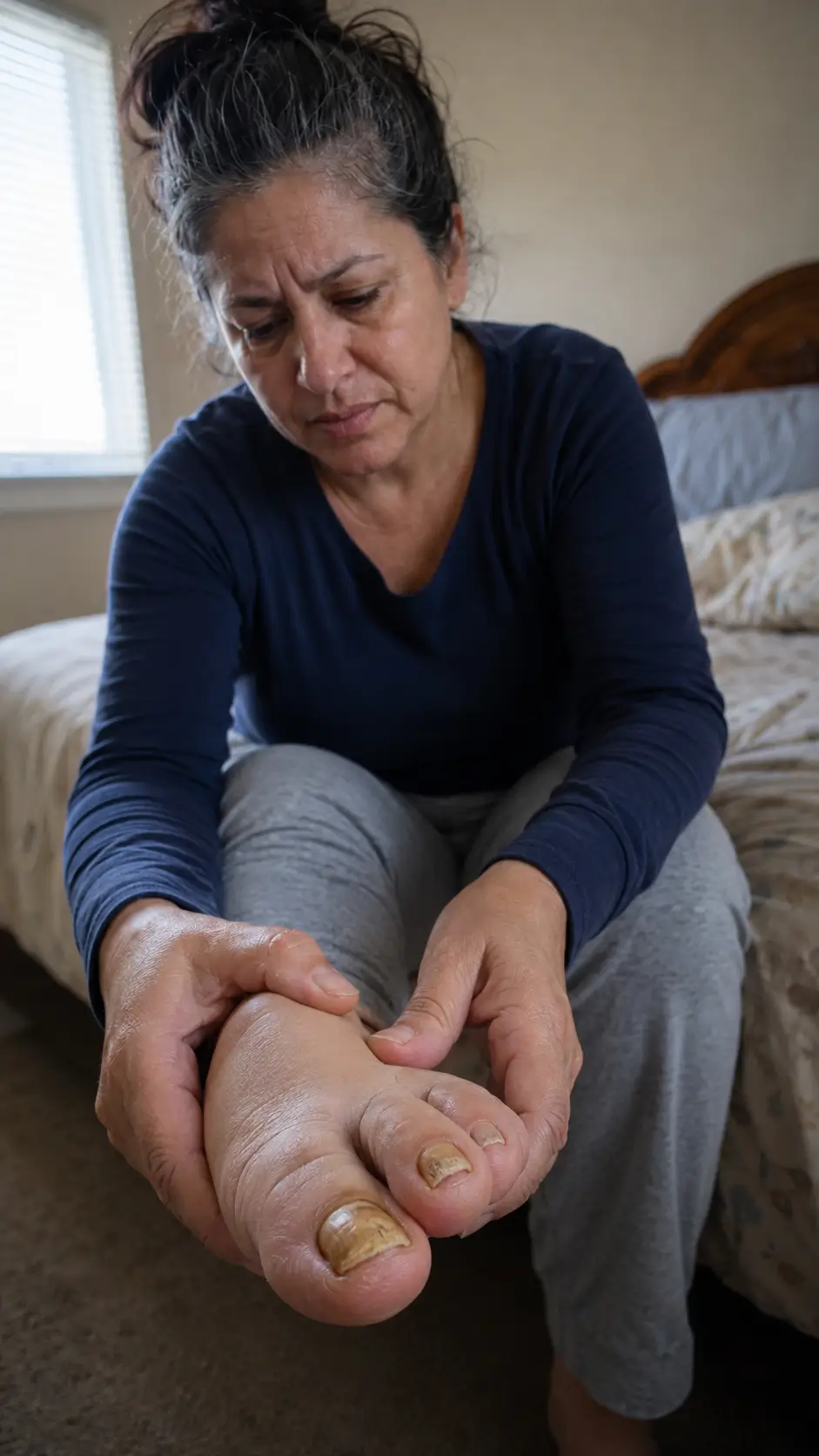
If your toenail fungus keeps coming back lately — even though you keep telling yourself "it's just cosmetic, it'll go away on its own" — you may already be deeper into the problem than you realize.
Most people say:
- "It's just how nails look as you get older."
- "It happens to everyone eventually."
- "I just need a stronger cream."
- "I'll deal with it when it gets worse."
But that's exactly how the fungus keeps spreading in the background — while you keep blaming yourself for something that's actually pretty common.
Because it's not just about how your nail looks. It's about the constant urge to hide your feet, the avoidance that becomes a habit, the slow retreat from sandals and pools, and the growing frustration that nothing you try seems to actually work.
And when that happens, it starts stealing the simple things:
- The confidence to take your shoes off without a second thought
- The comfort of wearing sandals without wondering who's looking
- The ease of sharing a pool or a locker room without embarrassment
- The peace of mind of knowing the infection isn't spreading further
For years, many people believed the only option was to keep "managing" it — a cream here, a coat of polish there, another round of hoping this time would be different.
But now, a growing number of people searching for how to get rid of toenail fungus are paying close attention to a different approach: a simple 4-herb protocol that is getting real attention from people who had already tried everything else — and finally understand why the fungus kept coming back in the first place.
⚠️ If you're avoiding sandals, relying on polish to hide it, and still not seeing real change… the fungus may be working against you.
Because when you're looking down at the same yellow, thickened nail week after week, watching the fungus stay just as stubborn no matter what you apply — it's not carelessness. Something is blocking the treatment from actually reaching it.
Here's what catches most people off guard: sometimes all it takes is a combination of "normal" things like:
- years of wearing damp, sweaty shoes or boots that never fully dry out
- that warm, dark, moist environment being exactly what fungus needs to grow
- the fungus settling in underneath the nail plate, where surface creams struggle to reach
- the nail slowly thickening and discoloring as the infection spreads
- repeatedly relying on polish or surface creams that only mask the look without touching what's underneath
…for the fungus to keep coming back no matter how consistent you are. And once that happens, it doesn't matter how often you apply a cream. The infection sits protected under the nail — and it refuses to clear up the way you'd expect.
That's when it turns into the kind of daily hassle most people never expected when the first yellow spot appeared:
🚨 Constant self-consciousness — the instinct to hide your feet before anyone notices
🚨 Avoidance that becomes a pattern, skipping pools, beaches, and even taking your shoes off around others
🚨 Nails that don't clear up or keep coming back thicker and more discolored
🚨 The repeat-purchase cycle — trying cream after cream, hoping this one is different
🚨 The quiet frustration that builds every time you check your nail and see no real change
And it's not just about one nail. Left untreated, a fungal infection can spread to nearby toenails over time — appearance, comfort, and confidence all take a hit, regardless of what you apply or try.
That's why chasing the surface alone turns into an exhausting cycle: brief improvement from a cream… then back to square one… then more frustration. But when you understand what's actually happening underneath the nail — and why more people are turning to a simple 4-herb protocol to address it consistently — a completely different path starts to make sense.
⚡ A Simple "4-Herb Protocol" Is Getting Attention From People Looking For A Toenail Fungus Cure
A growing number of people struggling with stubborn toenail fungus, discolored nails, and years of treatments that never held are paying attention to a simple 4-herb protocol you can prepare at home in just 15 seconds — especially when they're exhausted from feeling like nothing they try actually works.
It's designed to support what most people searching for how to get rid of toenail fungus want most: nails that look and feel normal again, the confidence to take your shoes off anywhere, and results that don't disappear the moment you stop paying attention — without harsh treatments or risky procedures.
People say they're most looking for help with things like:
- the self-consciousness that follows them from the moment shoes come off
- the constant avoidance disguised as excuses — too busy, too embarrassed, not today
- nails that lack the clear, healthy look they had years ago
- the frustration of yet another product that makes the routine feel pointless
- the dependency on polish that hides the problem for a few hours but fixes nothing
- that trapped feeling of knowing the fungus is still there but not knowing what actually works
And this 4-herb protocol has nothing to do with:
❌ harsh chemical treatments that irritate the skin around the nail
❌ nail removal procedures that deal with the surface without fixing what's underneath
❌ laser sessions that cost hundreds of dollars and often need to be repeated
❌ filing and trimming every night just to keep it looking manageable
❌ generic drugstore creams that don't reach deep enough to matter
❌ waiting until the infection spreads to more nails before finally doing something about it
When you understand why toenail fungus keeps coming back after years of damp shoes and surface-only treatments — and how a specific 4-herb protocol can be prepared and used at home in just 15 seconds — it becomes much easier to take the right action now, instead of repeating the same cycle one more time.